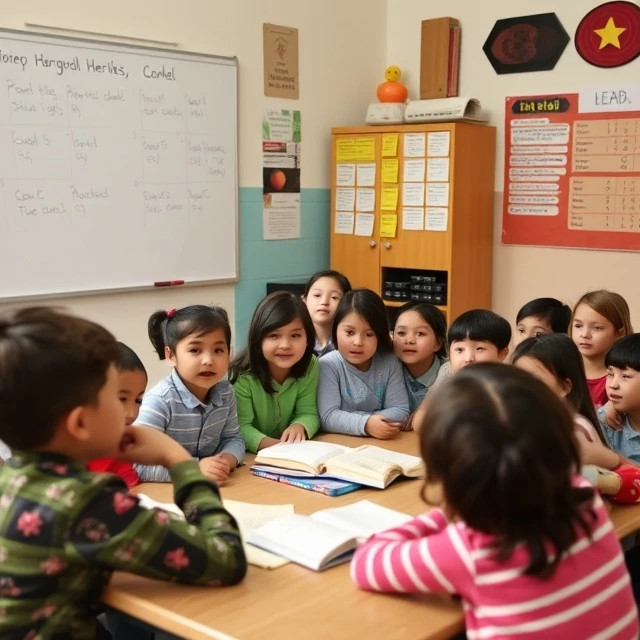
Communities can push back against language loss. Language revitalization comprises deliberate efforts to increase the number of speakers and expand the domains of an endangered or dormant language.
Strategies include immersion schools, master-apprentice programs, media production, official recognition, and family language policies. Success depends on community motivation, resources, and realistic goals ranging from symbolic use to full daily fluency. Outside linguists often assist with documentation and materials but local ownership remains critical.
Notable cases show partial or substantial recovery when intergenerational transmission is reestablished. Revitalization is as much social movement as technical project. Each program adapts to local history and the current state of the language.
- Organized effort to restore language use and transmission
- Uses education, media, and community programs
- Requires local leadership and sustained commitment
- Aims range from symbolic presence to full fluency
Comments
No comments yet. Be the first to share a thought.
Leave a comment