Policyholders need confidence that claims will be paid years after the premium is collected. Solvency is an insurer’s ability to meet its long-term financial obligations as they fall due, particularly the payment of claims and benefits.
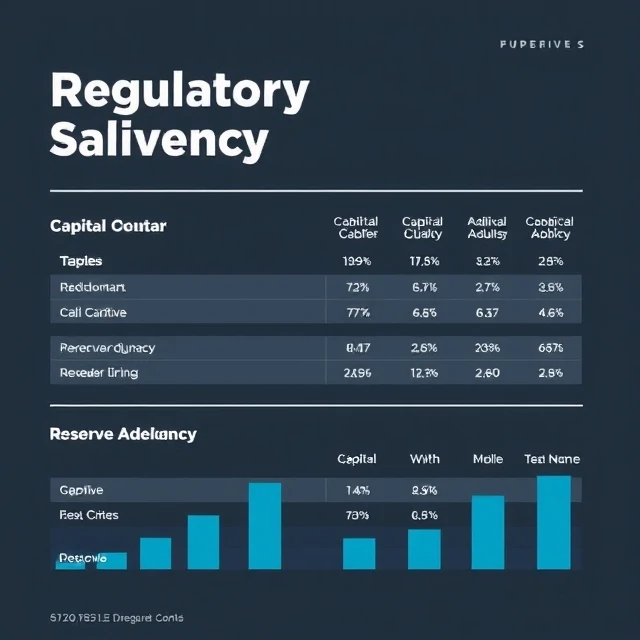
Supervisors monitor solvency through capital requirements, reserve adequacy tests, investment rules, and regular financial reporting. Early-warning ratios and risk-based capital frameworks help detect weakening companies before policyholders are harmed. Rating agencies publish independent assessments of financial strength.
Solvency is not the same as short-term liquidity; an insurer can be asset-rich yet still face cash-flow strain. Persistent under-reserving, aggressive growth, or investment losses can erode solvency over time. Maintaining it is the fundamental regulatory and managerial duty of every insurance company.
- Ability to meet long-term insurance obligations
- Monitored through capital and reserve rules
- Distinct from day-to-day liquidity
- Core focus of insurance regulation
Comments
No comments yet. Be the first to share a thought.
Leave a comment