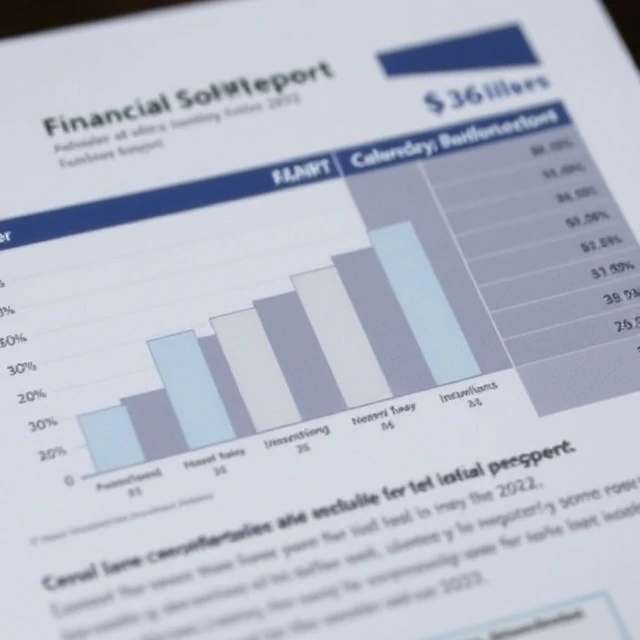
Numbers make financial strength comparable. A solvency ratio expresses an insurer’s available capital relative to the capital required by regulation or by an internal model. Higher ratios indicate a larger cushion above the minimum needed to support the risks on the books.
Under Solvency II the ratio compares eligible own funds with the solvency capital requirement. Other regimes use risk-based capital ratios or simple premium-to-surplus measures. Rating agencies apply their own capital models and publish corresponding scores.
Regulators set action levels below which increasingly severe supervisory measures apply. Management targets higher internal ratios to satisfy rating agencies and counterparties. A declining solvency ratio is an early signal that growth, losses, or investment results may be straining the balance sheet.
- Available capital divided by required capital
- Indicates cushion above regulatory minimum
- Used by supervisors and rating agencies
- Declines signal potential financial strain
Comments
No comments yet. Be the first to share a thought.
Leave a comment