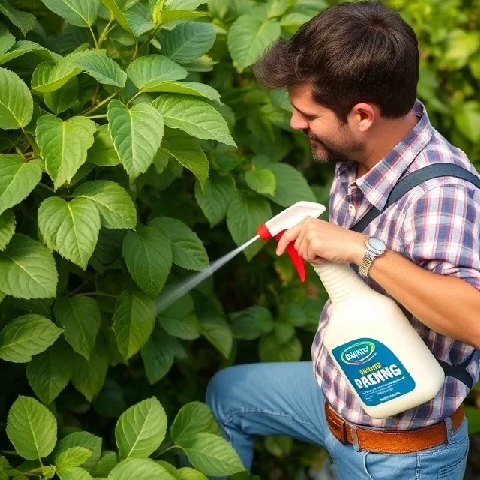
Insects that chew leaves, suck sap, or bore into stems can ruin a crop or ornamental display. An insecticide is a substance applied to kill or repel those damaging insects. Products range from broad-spectrum chemicals to more targeted options based on insecticidal soaps, oils, or biological agents.
Identification of the pest comes first. Not every insect is harmful; many are beneficial predators or pollinators. Choosing a selective product and applying it only when thresholds are reached protects the garden’s natural balance. Timing applications for early morning or evening reduces harm to bees.
Always follow label directions for rate, frequency, and safety intervals. Resistance can develop if the same active ingredient is used repeatedly. Cultural practices—healthy plants, crop rotation, and physical barriers—reduce reliance on any insecticide.
- Chemical used to control damaging insects
- Ranges from broad-spectrum to selective
- Should target identified pests
- Best combined with cultural methods
Comments
No comments yet. Be the first to share a thought.
Leave a comment