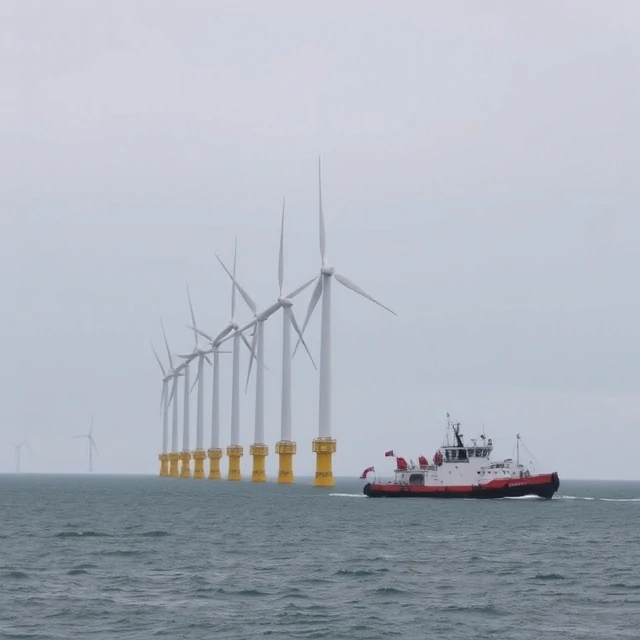
A wind farm is a group of turbines in one location. They share infrastructure: roads, cables, substations, and maintenance crews. Onshore farms sit on ridges, plains, and coastal hills where wind is steady. Offshore farms stand in shallow water, where winds are stronger and more consistent.
Layout matters. Turbines must be spaced to avoid stealing each other's wind. Prevailing wind direction determines the arrangement. A typical spacing is 5 to 10 rotor diameters apart. Access roads and underground cables connect each turbine to a collector substation, which feeds the grid.
Wind farms face local opposition. Some residents worry about noise, flicker, and landscape views. Studies find the noise is usually modest and the health effects limited. Property value impacts are mixed. Farms bring tax revenue and lease payments to landowners. Community engagement early in the process reduces conflict. The best projects share benefits locally.
Key considerations
- Turbine spacing
- Wind resource assessment
- Grid connection
- Environmental impact
- Community engagement
Comments (3)
Leave a comment