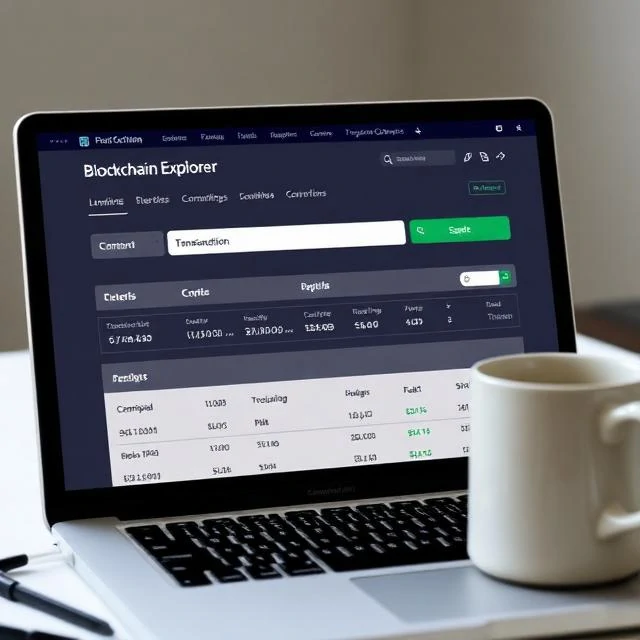
A block explorer is a search engine for a blockchain. Paste in a transaction ID, a wallet address, or a block number and it shows you what happened. You can watch confirmations tick up in real time after sending crypto. You can check whether a pending transaction is stuck in the mempool. You can verify that a smart contract does what the project claims.
Popular explorers are network-specific. Blockchain.com covers Bitcoin. Etherscan covers Ethereum and shows token transfers, contract code, and gas prices. Solscan handles Solana. Blockchair supports multiple chains. Block explorers do not hold your funds or require an account. They read public ledger data and display it in a usable format. That transparency is a core feature of crypto, not an optional add-on.
What you can look up
- Transaction ID — status, confirmations, fee paid, block number
- Wallet address — balance, transaction history, token holdings
- Block — size, miner, reward, list of included transactions
- Smart contract — source code, read and write functions, events
Scammers sometimes create fake explorer sites that show false balances. Bookmark the official explorer for each chain you use.
Comments
No comments yet. Be the first to share a thought.
Leave a comment