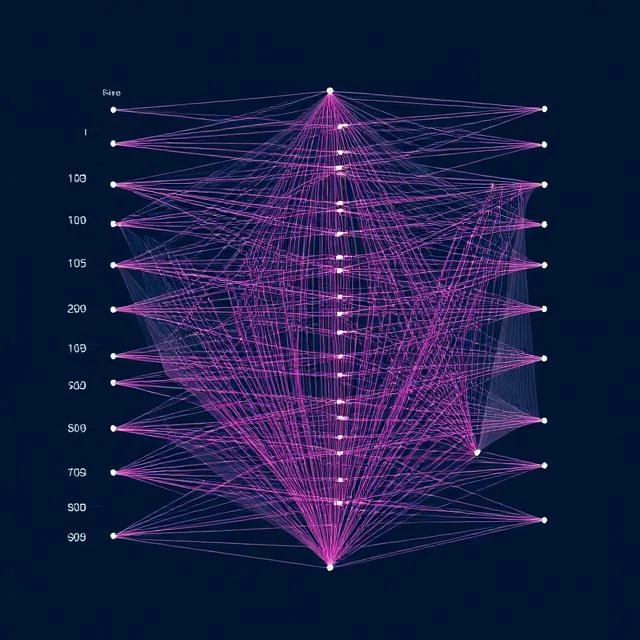
More layers, more abstraction. Deep learning uses neural networks with many hidden layers to learn representations directly from raw data. Instead of handcrafting features, practitioners let the network discover them.
The approach exploded after 2012, when a deep convolutional network won a major image recognition competition by a wide margin. Faster GPUs, larger datasets, and improved training techniques made the difference.
Where deep learning excels
- Image and video recognition
- Speech and language processing
- Generative modelling
- Game playing and control
- Recommendation systems
It is not magic. Deep models need large datasets, substantial compute, and careful tuning. They also resist interpretation, which is a problem in regulated domains like medicine and finance. Progress continues, but so do the practical constraints.
Comments
No comments yet. Be the first to share a thought.
Leave a comment