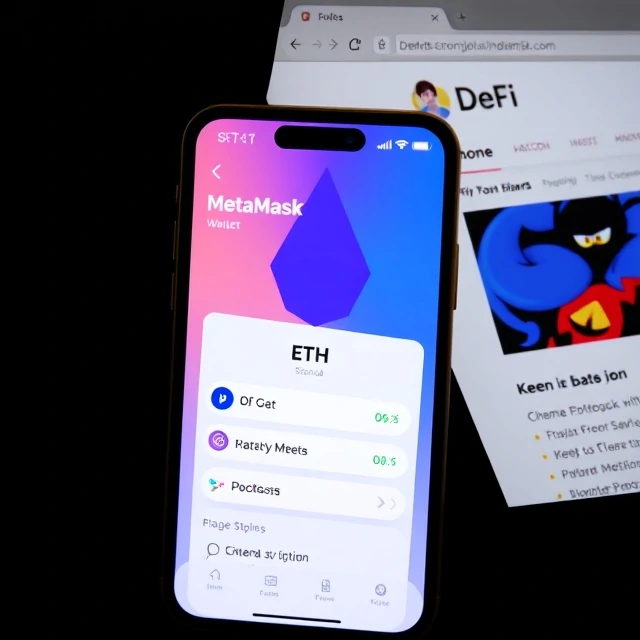
A hot wallet is a crypto wallet connected to the internet. MetaMask, Phantom, and the built-in wallets on exchanges are all hot. They are convenient. You can swap tokens, interact with dapps, and send payments without plugging in a hardware device. The private keys live on a device that is online, which makes them vulnerable. Malware, phishing sites, and clipboard hijackers all target hot wallets. Most people who lose crypto lose it from a hot wallet.
Hot wallets are not inherently bad. They are a tool for spending and interacting. The mistake is treating them as storage for your life savings. A good setup is a hot wallet for daily use with a small balance and a hardware wallet for long-term holdings. Move funds to the hot wallet when you need to trade or use a dapp. Move them back to cold storage when you are done. The extra friction is the point. It forces you to think before exposing your keys to the internet.
Hot wallet risks
- Online keys — vulnerable to malware and phishing
- Browser extensions — can be compromised
- Fake apps — look identical to legitimate wallets
- Seed phrase leaks — one mistake and funds are gone
Use a separate hot wallet for risky activities. Never use your main wallet to connect to unverified sites.
Comments
No comments yet. Be the first to share a thought.
Leave a comment